Search the site

Selected gardens / 03 / Family garden

Room for ordinary days

A garden for the moments between plans: breakfast outside, a winding walk through grasses and an afternoon that stretches into supper.

Home
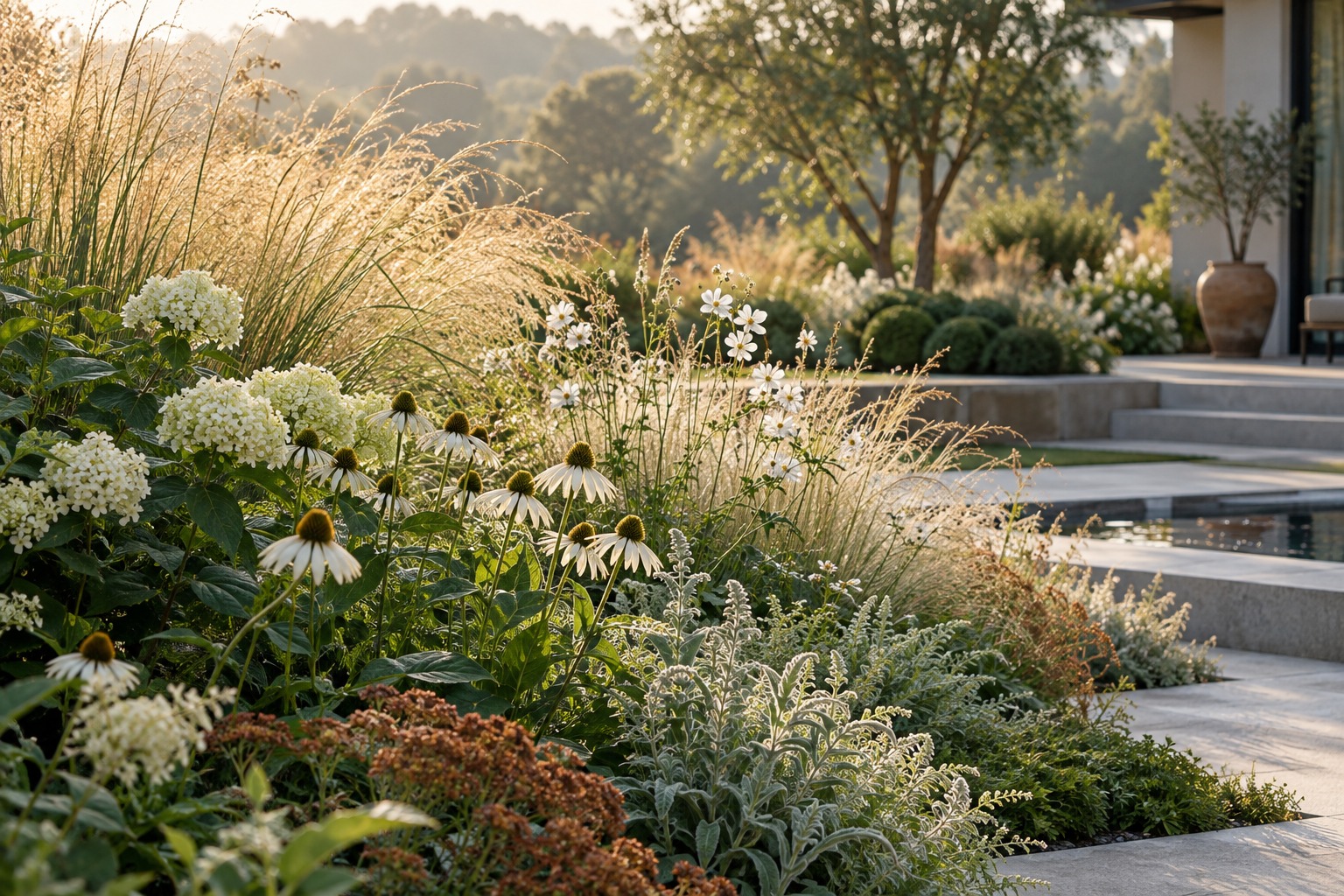
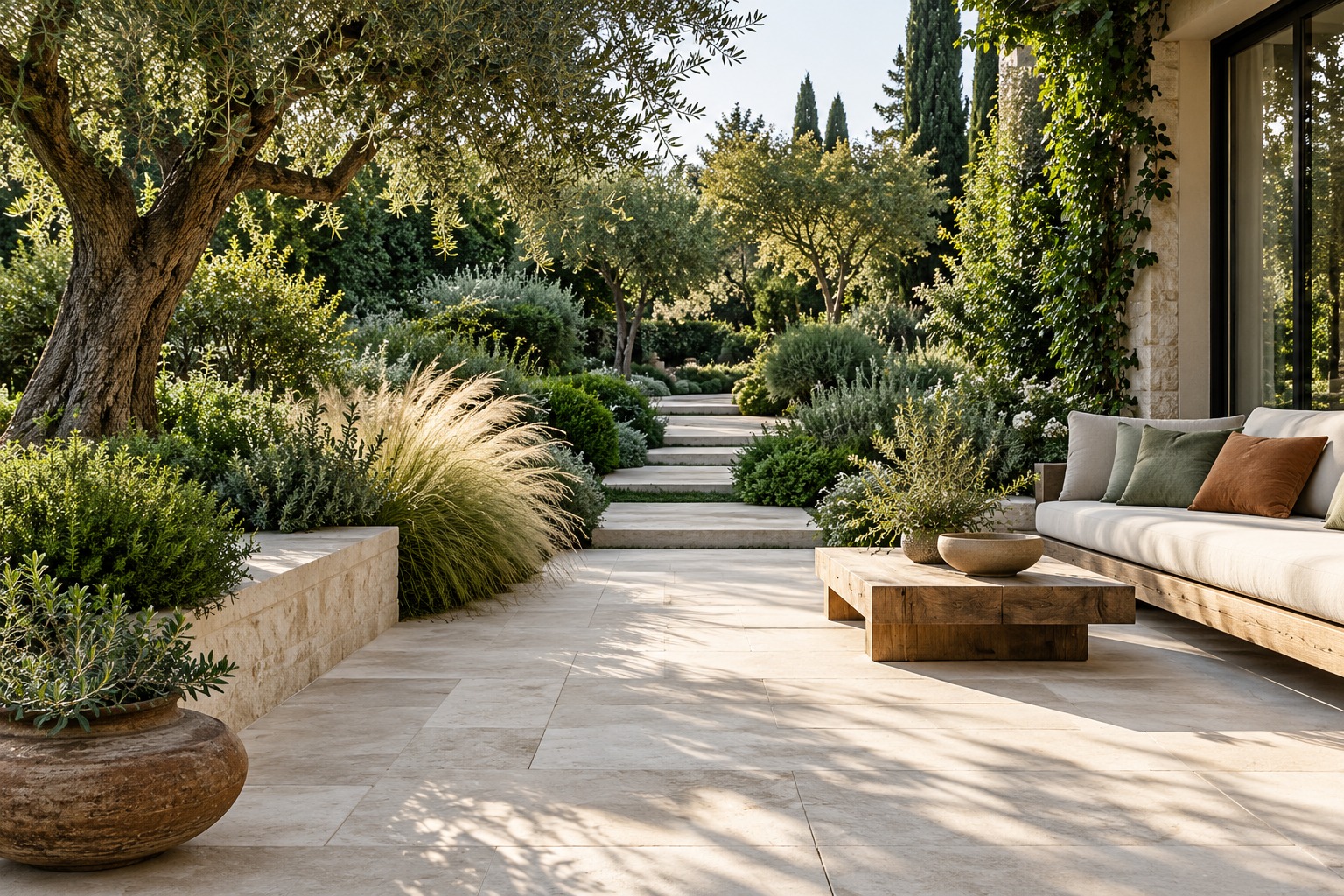
A generous terrace gives way to softer planting and a path into the garden.
Setting
Residential family garden
Scope
Layout, planting and seasonal care planning
Materials
Pale limestone, timber and gravel
Planting character
Layered perennials and naturalistic grasses

Make everyday life the starting point.

The brief brings together outdoor meals, informal play and a wish for more seasonal planting. Rather than dividing the garden into isolated zones, the layout needs to allow these uses to sit comfortably beside one another.

The relationship to the house is central. Views from the kitchen should feel green throughout the year, while doors need a practical landing space and a clear route to seating. Maintenance access and the changing needs of the household belong in the brief from the beginning.

A clear framework, softened at the edges.

The terrace creates an uncomplicated outdoor room close to the house. Beyond it, a path encourages movement through the planting and makes the garden feel deeper than the view from the doorway alone suggests.

Grasses and repeated perennial groups soften the transitions without obscuring useful sightlines. Planting is set back where circulation matters, and seating has enough surrounding space to work when chairs are pulled out and people are moving around.

The layout leaves room for change. A flexible open area can accommodate different activities as family routines evolve, while the main routes and planted structure keep the garden coherent.
Home
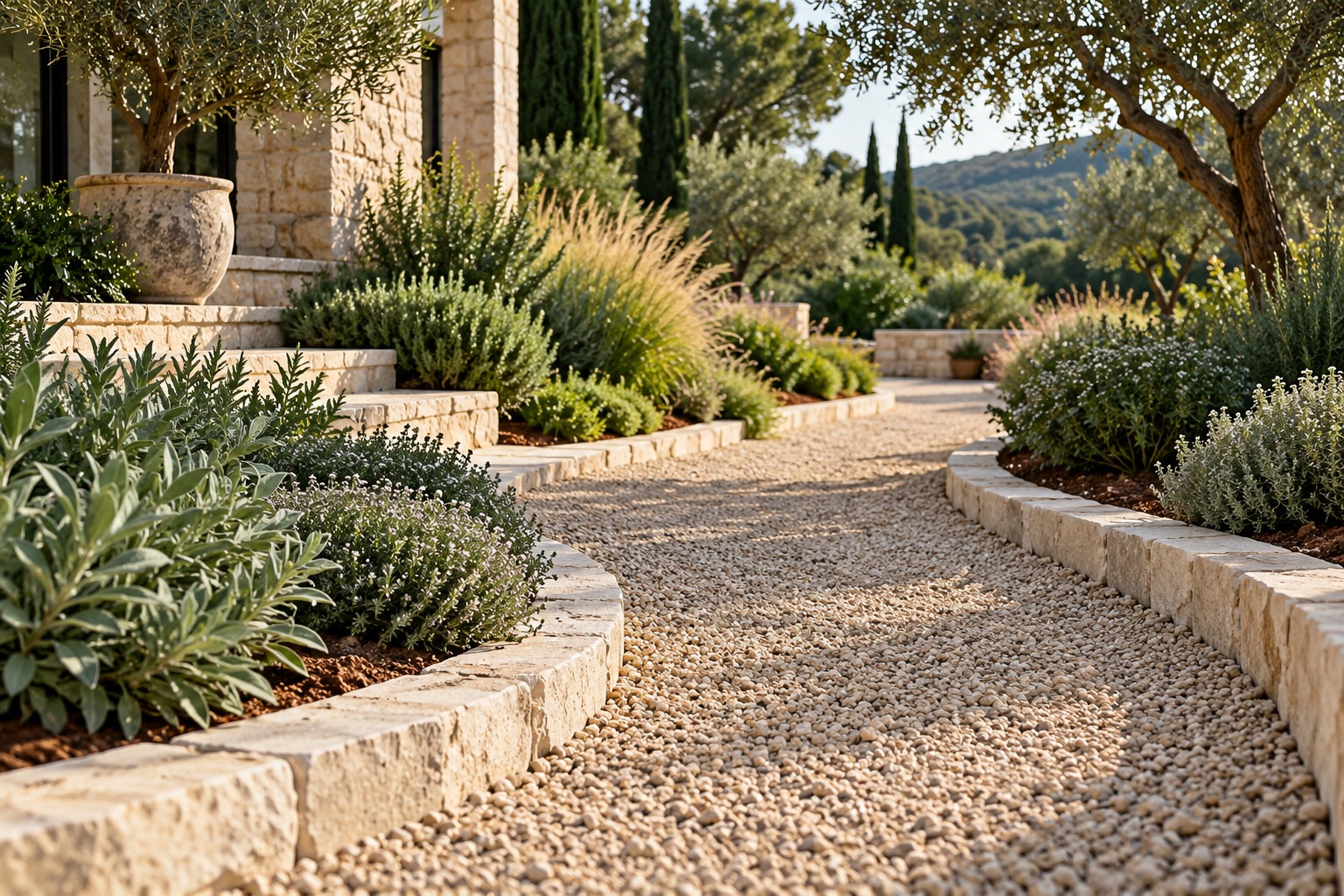
Path inspiration: a separate detail study of gravel, stone edging and planted margins.

Materials that make sense underfoot

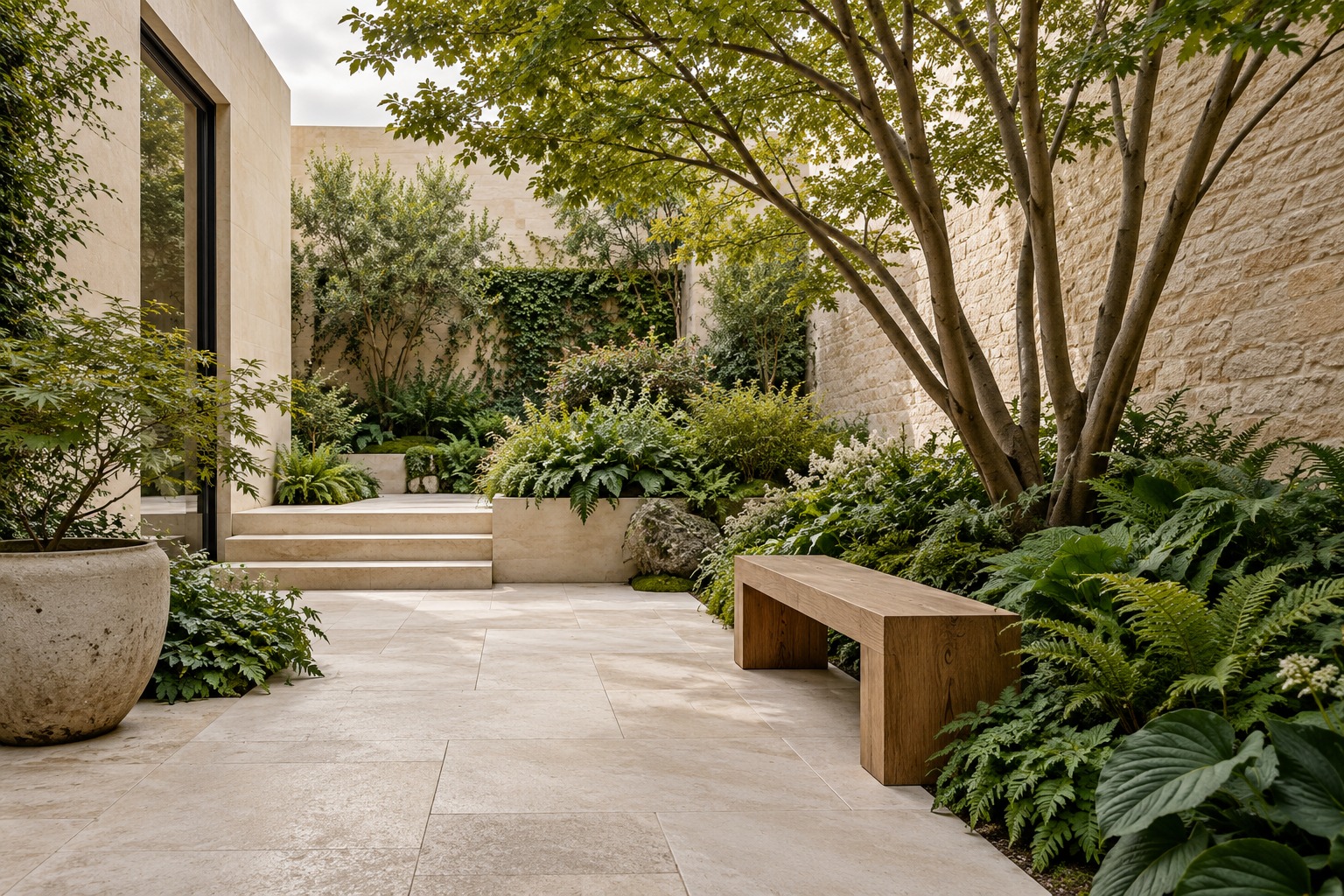
Pale stone gives the terrace a calm surface, with joints and transitions considered alongside drainage and access. Gravel introduces a different pace on secondary routes. Its suitability depends on the people using the garden, the gradient and the way the path will be maintained.

Home
Planting inspiration: contrasting leaf forms and airy stems studied for the seasonal palette.

Enough repetition to feel settled

Repeated plant groups connect the borders, while changes in height and texture give each view its own character. The final palette responds to soil, light and the household’s needs. Mature spread, seasonal gaps and access for care are considered alongside flowers.

A rhythm of care, with room to enjoy it.

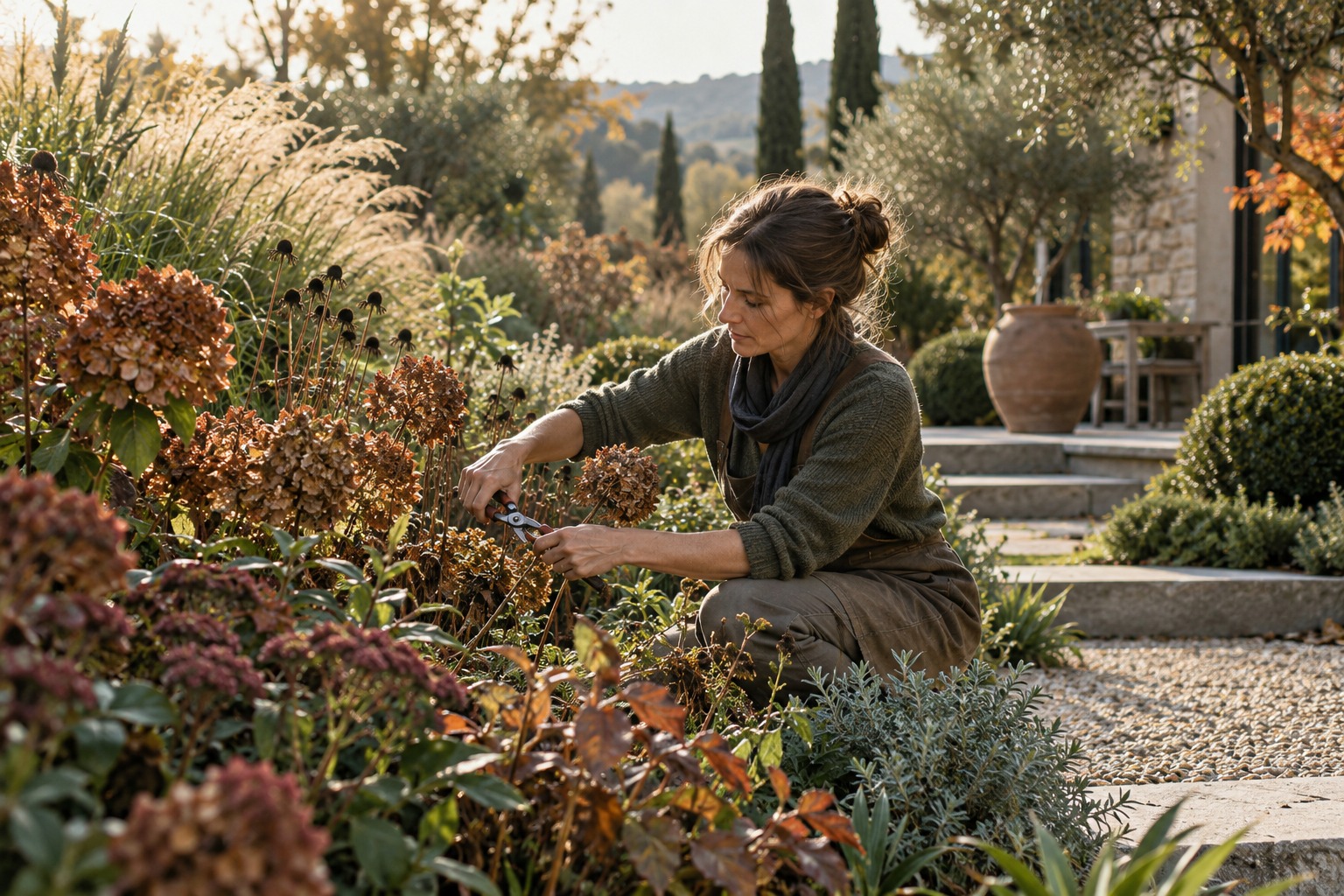
The care plan supports the design without asking every border to look the same all year. Establishment comes first; later, observation guides small adjustments as plants mature.

  • Spring: review emerging growth, refresh planting gaps and check soil conditions before adding mulch.
  • Summer: monitor new plants, maintain clear routes and water according to need.
  • Autumn: retain useful seed heads where appropriate and clear leaves from paths and drains.
  • Winter: review the structure from inside the house and plan changes for the next growing season.

Seasonal support can be agreed separately, with tasks and visit frequency matched to the garden.

Home
Care practice: selective attention to planting as the seasons change.

NEXT GARDEN / THE QUIET COURTYARD