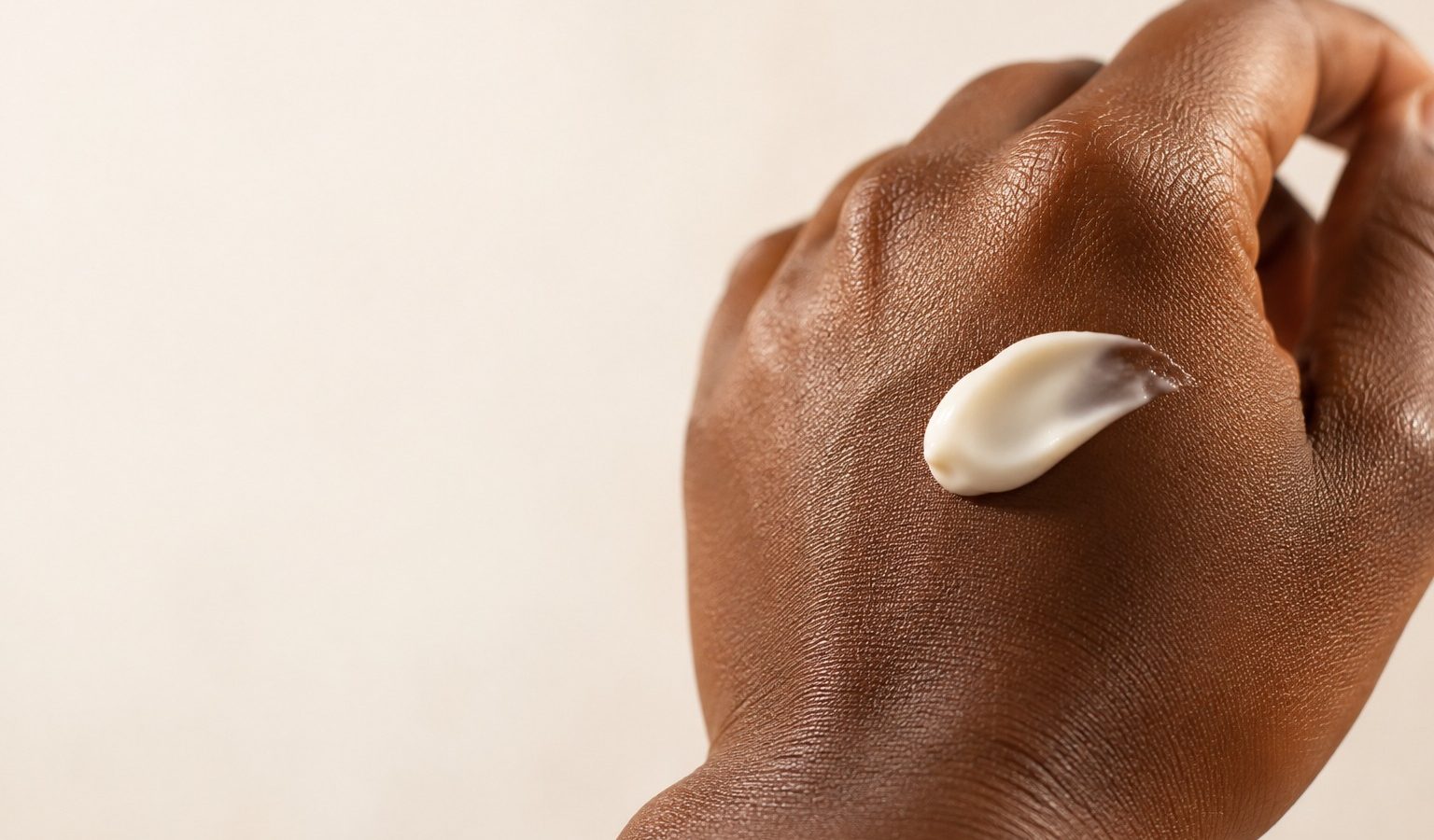
Texture is often the first thing we notice when using a product. The way it leaves the bottle, spreads and settles is part of the everyday experience. Describing that experience clearly makes comparing products a little easier.
Read the words together
Fluid, gel and cream are useful starting descriptions, but they do not tell the whole story. Look for the intended use, application directions and complete product information alongside the texture note.
A photograph can show a surface or a consistency. It cannot tell you how a formula will feel to you, and it should not stand in for the details on the label.
Notice your own preferences
Think about the products you already enjoy using. Do you prefer something that pours or something you scoop? Does a pump fit your routine better than a jar? These practical preferences can be as useful as a beautifully written description.
Write down the words that help explain your preference. A specific question about consistency or packaging gives a shop a clearer place to begin than asking which product is best.
Give each product its context
Follow the directions for the amount and order of use. Avoid assuming that two products with similar appearances have the same purpose or instructions.
Our ingredient reading room explains how to approach a listing. Open the full product page when you are ready to compare a particular item, and ask for missing information before choosing.
Join the conversation
Have a thought to share? Be the first to leave a comment.