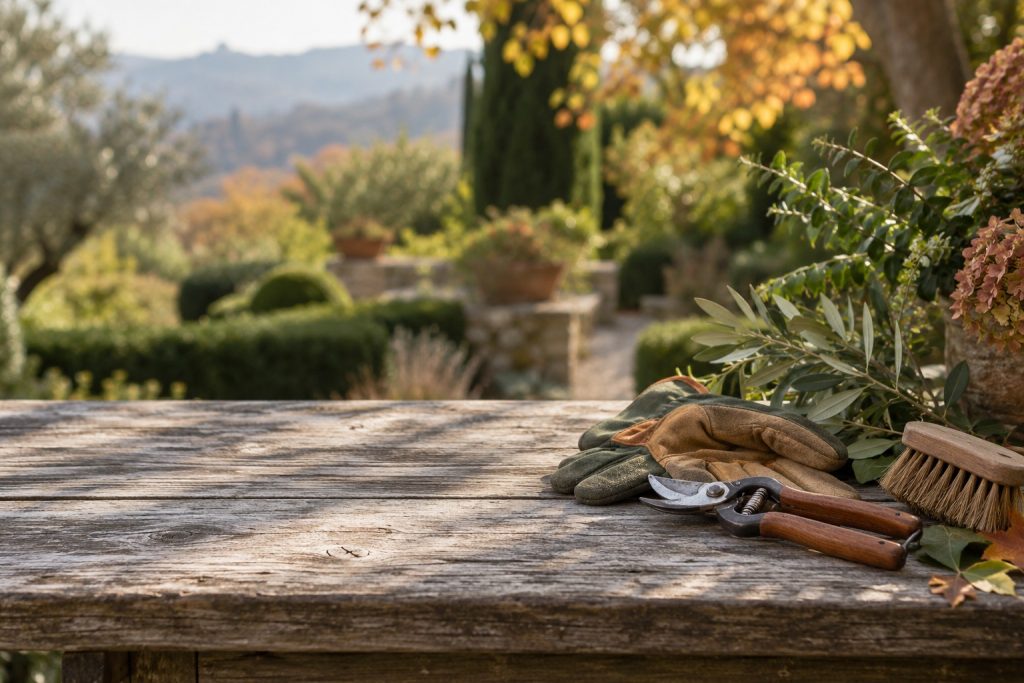
Landscape design & garden care
A quiet courtyard. A generous border. A place to linger a little longer.
Explore a considered approach to landscape design, planting and care, shaped around the way you live outdoors.
Begin with the light, the ground and the everyday moments your garden should make possible.
Let honest textures, practical details and a restrained palette bring the whole space together.
Choose planting and a manageable care routine that can develop alongside your life outdoors.
A considered way to grow
How does the morning light move through your space? Where do you like to sit? How much time would you like to spend caring for what grows?
Our sample studio brings those questions into a clear, collaborative design process. Architecture, planting and everyday use are considered together, creating a garden with room to change through the seasons.
Canopy & Court is a fictional studio presented as a theme demonstration. Projects and people are illustrative.
From possibility to planting
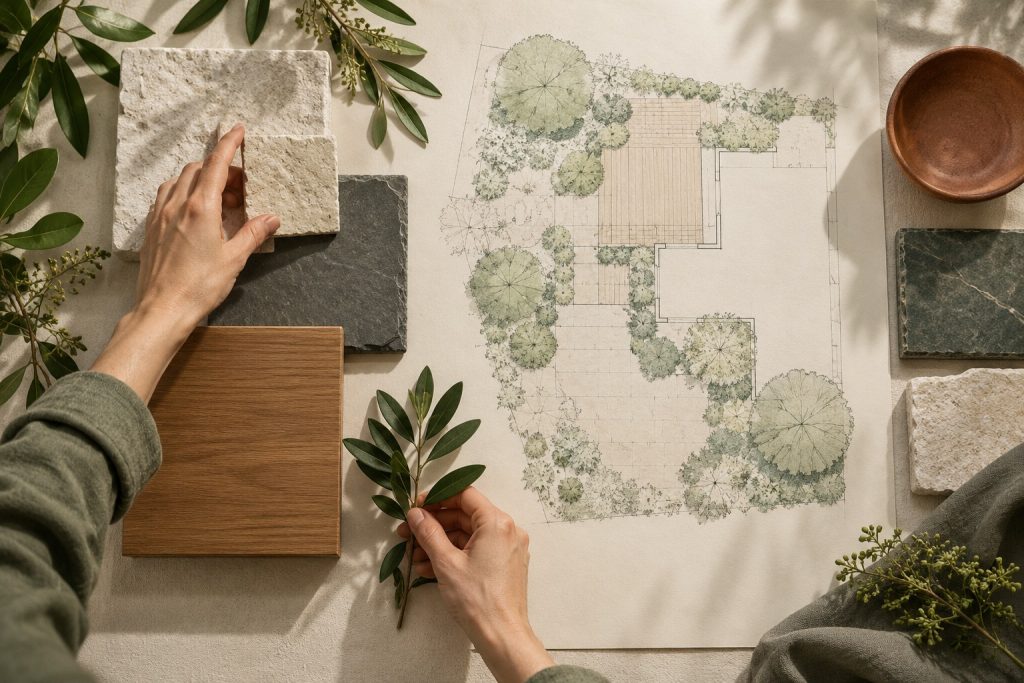
A clear plan for the way you want to live outdoors.
Your starting point
Spatial layout · Material palette · Planting direction
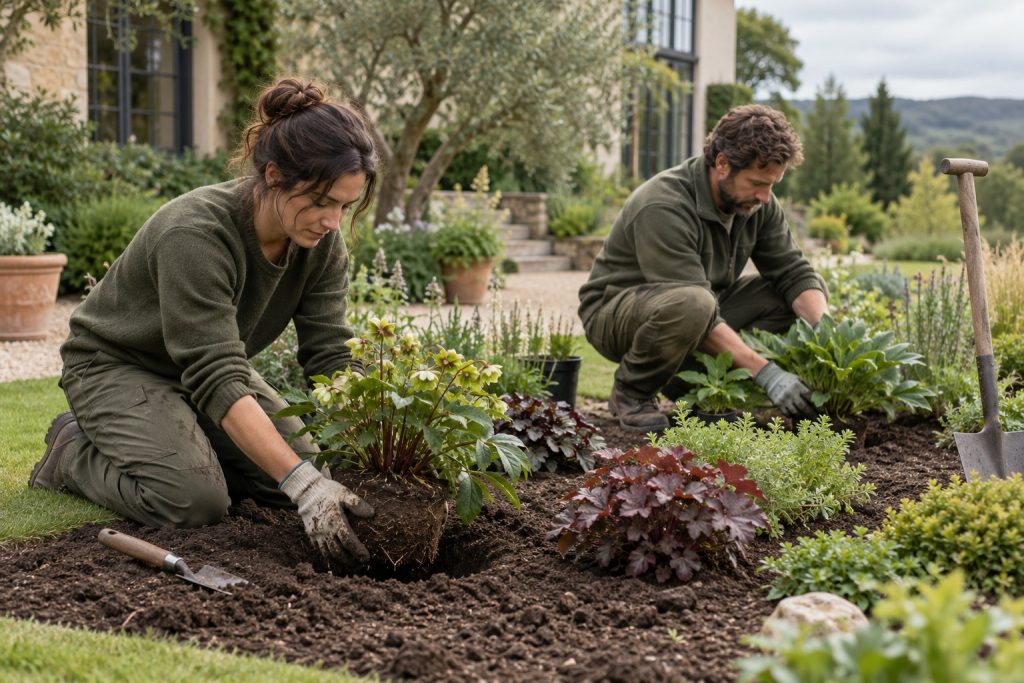
The right plants, thoughtfully placed for your soil and light.
A considered beginning
Plant selection · Border preparation · Care handover
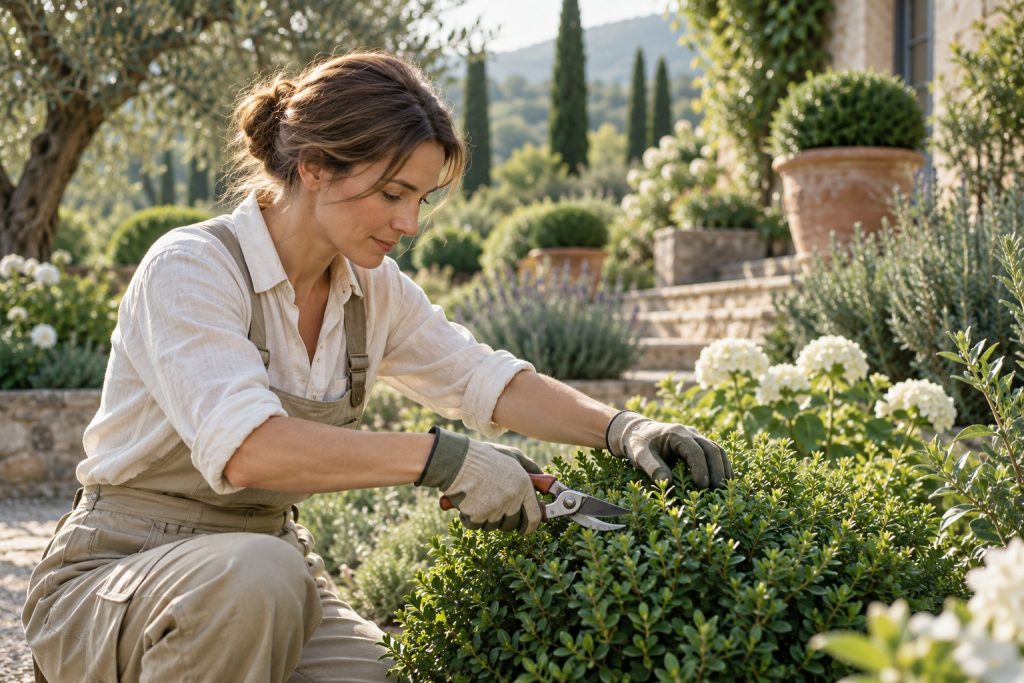
A practical rhythm of care as your garden grows and changes.
An agreed care plan
Border attention · Selective pruning · Seasonal tasks
Selected gardens
Three illustrative studies in space, materials and planting. These fictional concepts are not completed client commissions.
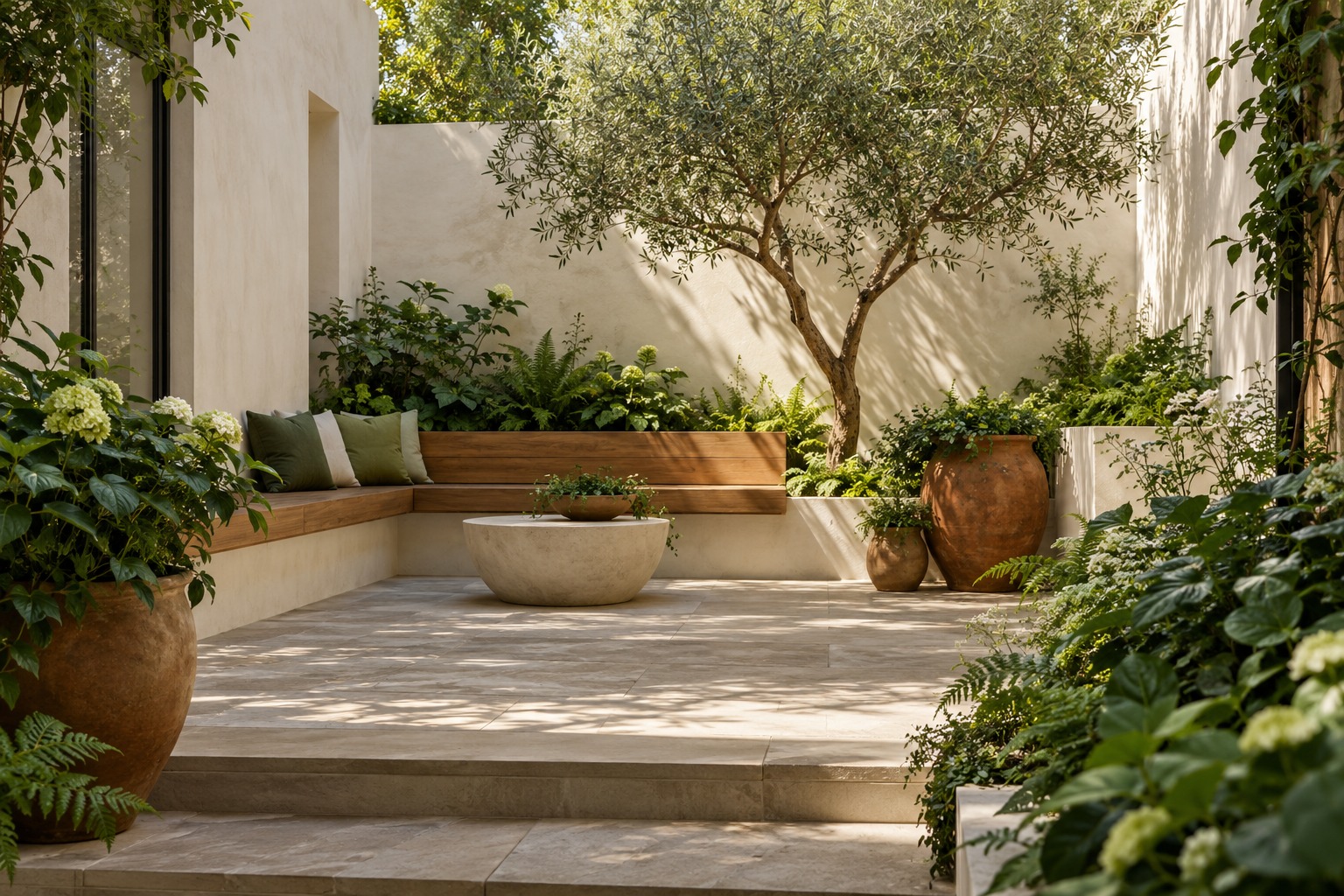
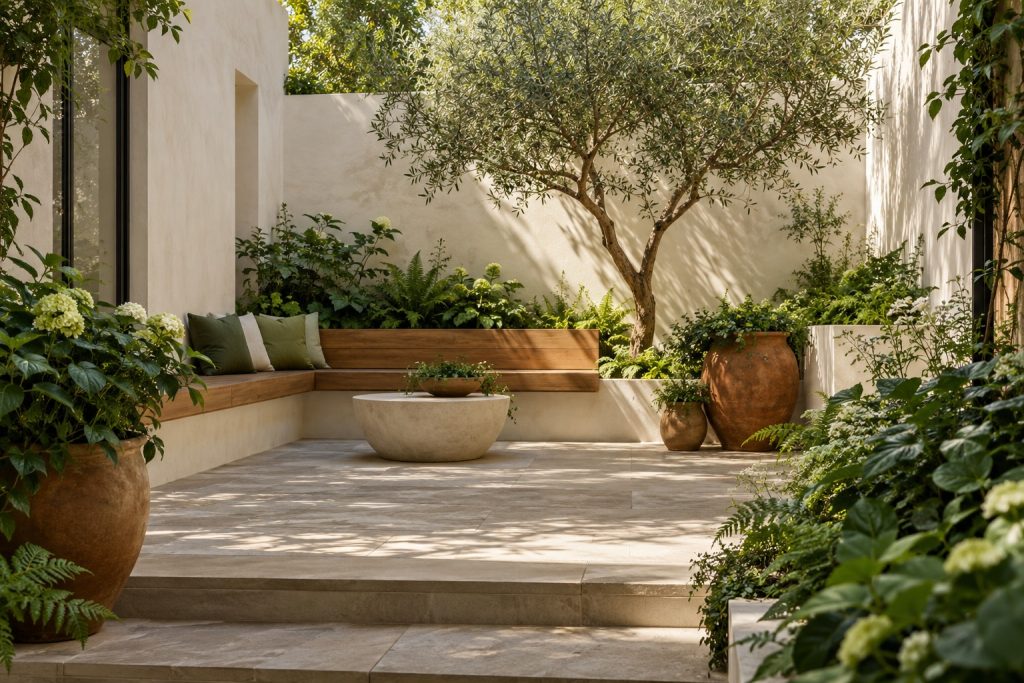
01 / An intimate urban enclosure
Constraint: privacy without losing usable space.
Palette: limewash, timber and terracotta.
Response: perimeter seating opens the centre; layered shade planting softens the boundaries.
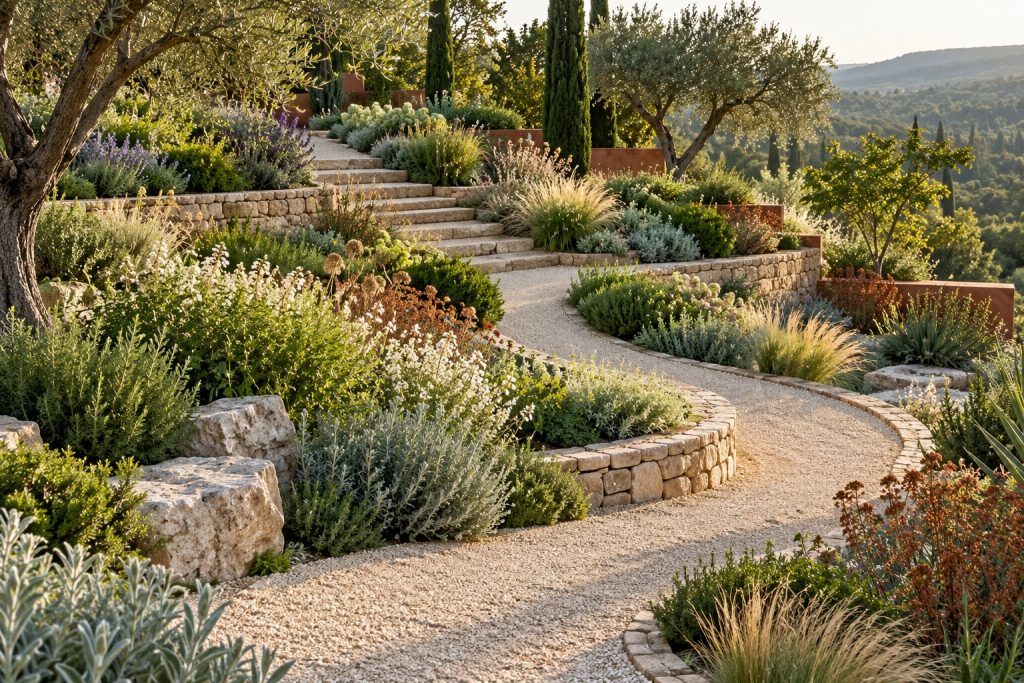
02 / Working with the slope
Constraint: exposed ground and changing levels.
Palette: stone edges, gravel and airy grasses.
Response: planted terraces and a winding route create smaller, sheltered places to pause.
03 / A room beyond the house
Constraint: circulation and comfort after dusk.
Palette: pale paving, timber and soft foliage.
Response: low lighting defines the route while planted edges shelter the seating.
A clear path, together
Start with a conversation about your space, your priorities and how you want to spend time outdoors. A site assessment helps establish the existing conditions, access and opportunities. Together, define a realistic brief before deciding which design or care service is the right next step.
Explore a layout that balances movement, gathering places and planting. Review materials and the character of the garden, then refine the agreed direction together. The written scope identifies the drawings, plant information and revisions included, with specialist surveys or engineering agreed separately where needed.
Translate the agreed design into a practical sequence of work. Confirm responsibilities, access and material availability before scheduling installation. Ground preparation and careful plant positioning give the scheme its starting structure, while any discoveries on site are discussed before changes to the agreed work proceed.
Understand how the garden will change as planting settles and seasons turn. A handover explains the agreed care priorities, from watering checks to suitable pruning times. Choose a manageable routine or discuss ongoing visits, with tasks and frequency tailored to the plants and your needs.
Every site has its own starting point. Programme, scope and cost are confirmed after assessment, with no fixed completion promise implied by this demonstration.
Work with the place
The most useful starting point is already outside your door. Observe the sun, understand the soil and leave room for plants to reach their natural shape.
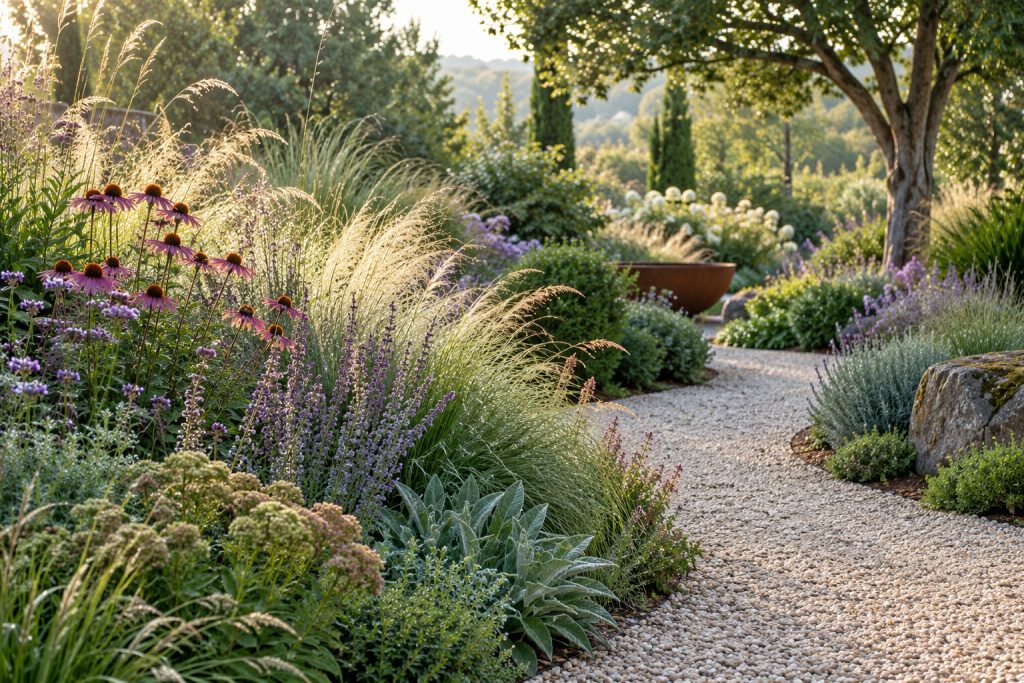
Check light, exposure, soil and available root space before building a plant list. Combine foliage, flowering periods and mature sizes so the border has structure beyond a single season. Local suitability needs assessment; an attractive photograph is not a planting prescription.
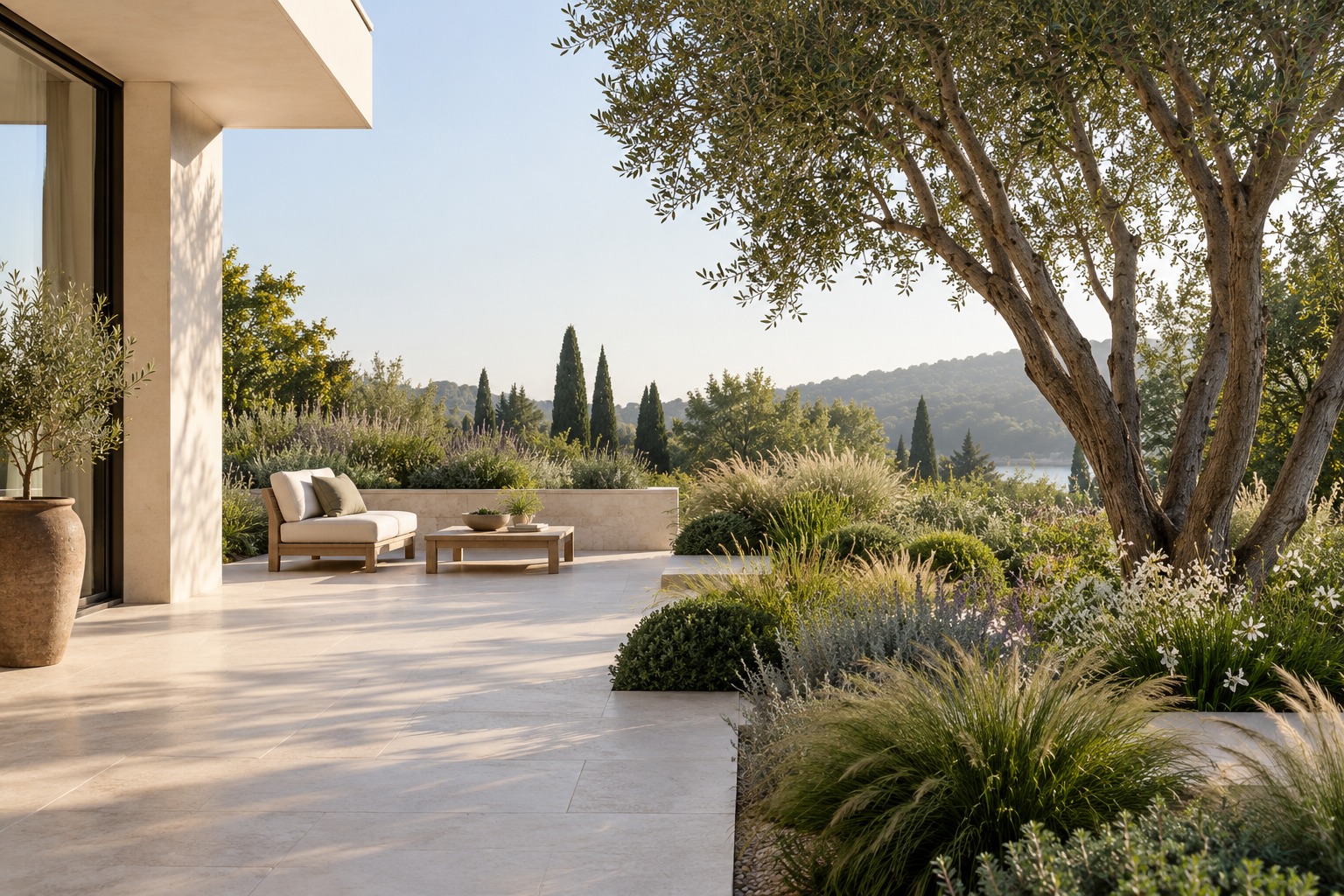
Look at existing levels and drainage before choosing paving or gravel. Permeable surfaces may suit some settings, but ground conditions and safe drainage routes need verification. Discuss technical requirements with an appropriately qualified specialist where the site calls for it.
Keep access to borders comfortable and plan for the time you can realistically give. Establishment watering, seasonal checks and selective pruning all belong in the design conversation. A simple written routine can help you notice what is changing and decide what to do next.
Care, at your pace
Choose a starting point, then shape the scope around your garden. Each sample package is quoted after a site visit; no subscription or appointment is created here.
A fresh beginning
For established gardens that need focused attention as the season changes.
Quoted after a site visit
Frequency: A one-off visit, with timing agreed after assessment.
Not included: Tree surgery, major clearance, new plants or materials unless separately quoted.
A continuing conversation
For gardens that benefit from a familiar pair of hands and a seasonal rhythm.
Quoted after a site visit
Frequency: Visits agreed to suit planting, season and access.
Not included: Landscape construction, specialist treatment or replacement plants unless separately quoted.
Room for a new idea
For a new space, an unresolved corner or a garden ready for another chapter.
Quoted after a site visit
Frequency: A consultation followed by a scoped proposal where required.
Not included: Measured surveys, construction drawings or installation unless commissioned separately.
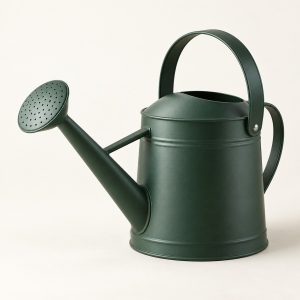
Useful things, thoughtfully chosen
A small collection for planting, tending and enjoying your outdoor space.
Demonstration store: products, images and prices are sample data. No physical goods are offered by this theme showcase.
Notes from the garden
Planting / Field notes
Light, soil and exposure make a useful first plant list. Learn what to observe before falling for a particular flower, and how mature size changes the way a border comes together.
Design / Field notes
Begin with a place to sit and a clear route through. A restrained material palette, useful edges and carefully positioned planting can help a compact space feel coherent and comfortable.
Garden care / Field notes
A short walk, a few observations and a manageable task list. Build a routine around what your plants need now, leaving room to adjust as weather and growing conditions change.